Developing Strategy Report for 2025 Museum of The American Revolution
INFO-683 Museum Digital Strategy: Planning & Management
Project TYPE
Group Project
Learning outcome
Research
Professionalism
Role
I led internal and external analyses of the Museum of the American Revolution, focusing on its digital strategy, stakeholder landscape, and SWOT analysis. I developed implementation and solution frameworks, a risk mitigation plan, and an RASCI chart, and led the design of both presentation decks and the final written report.
I am working with Veneranda Aguirre (Engagement Strategist) and Sara Zucker (Digital Strategist)
Opening slide for museum of the american revolution strategic planning as the final project submission. may 2024. Still Image. Original image from author's work.
Project Overview
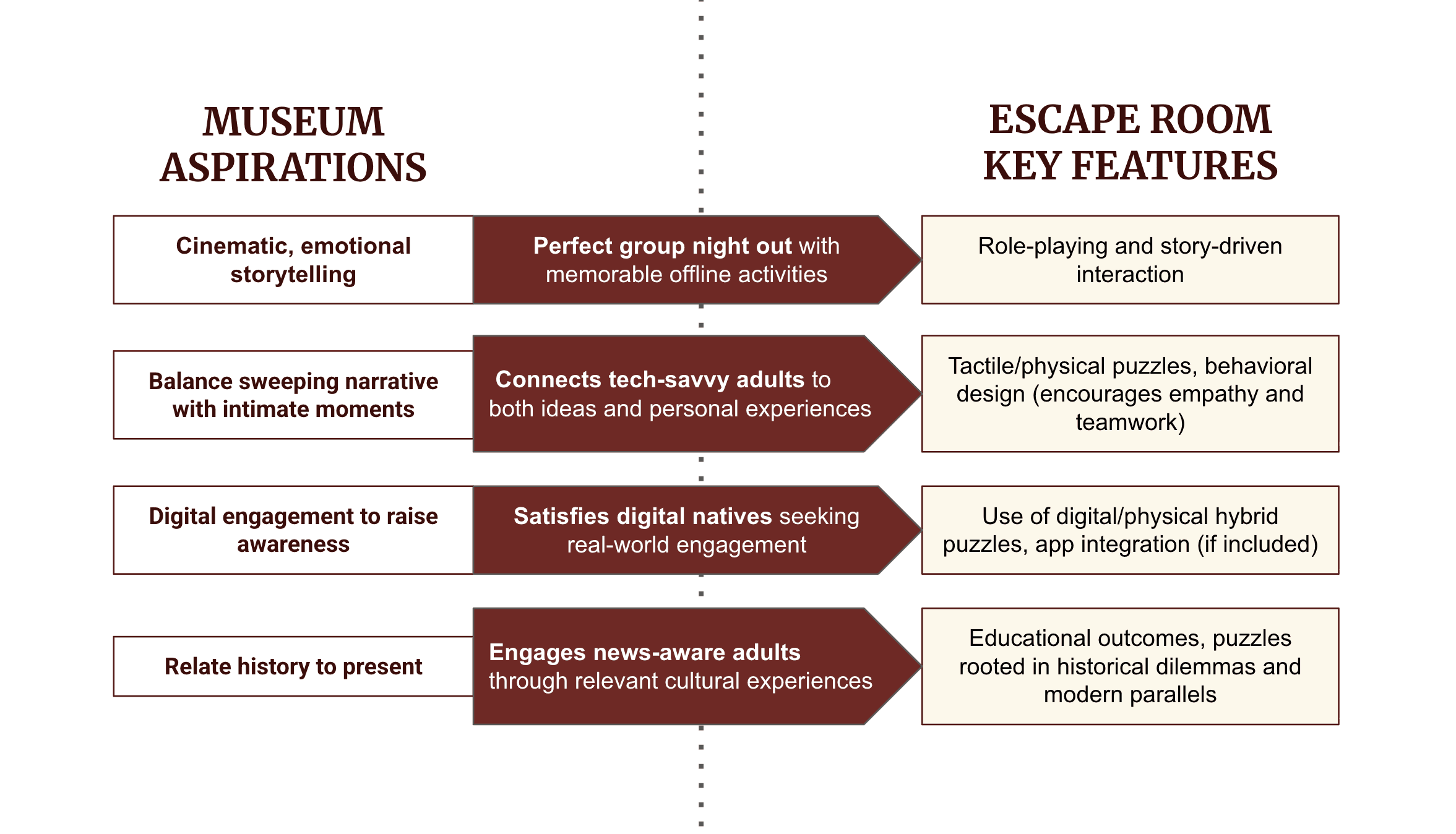
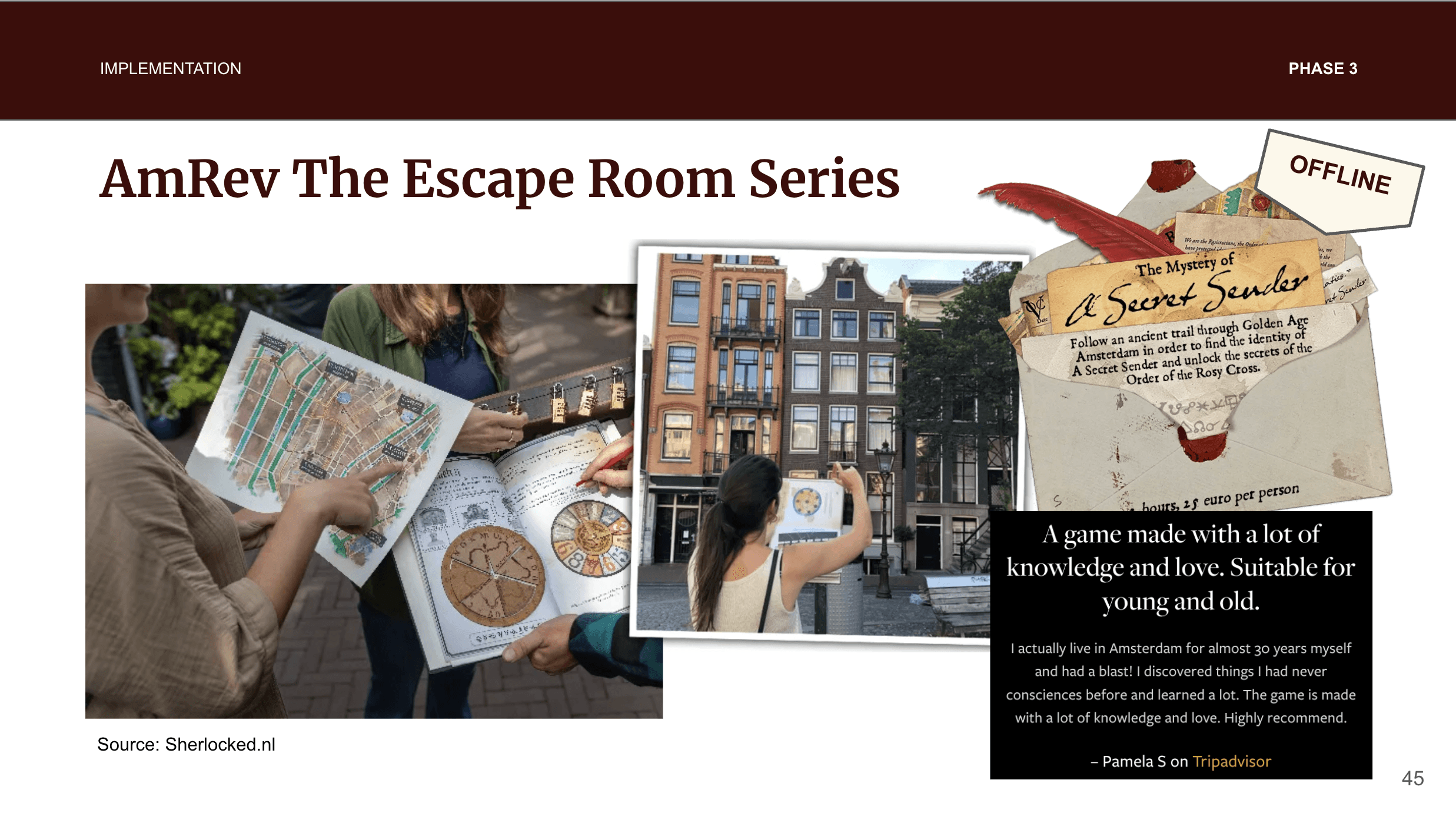
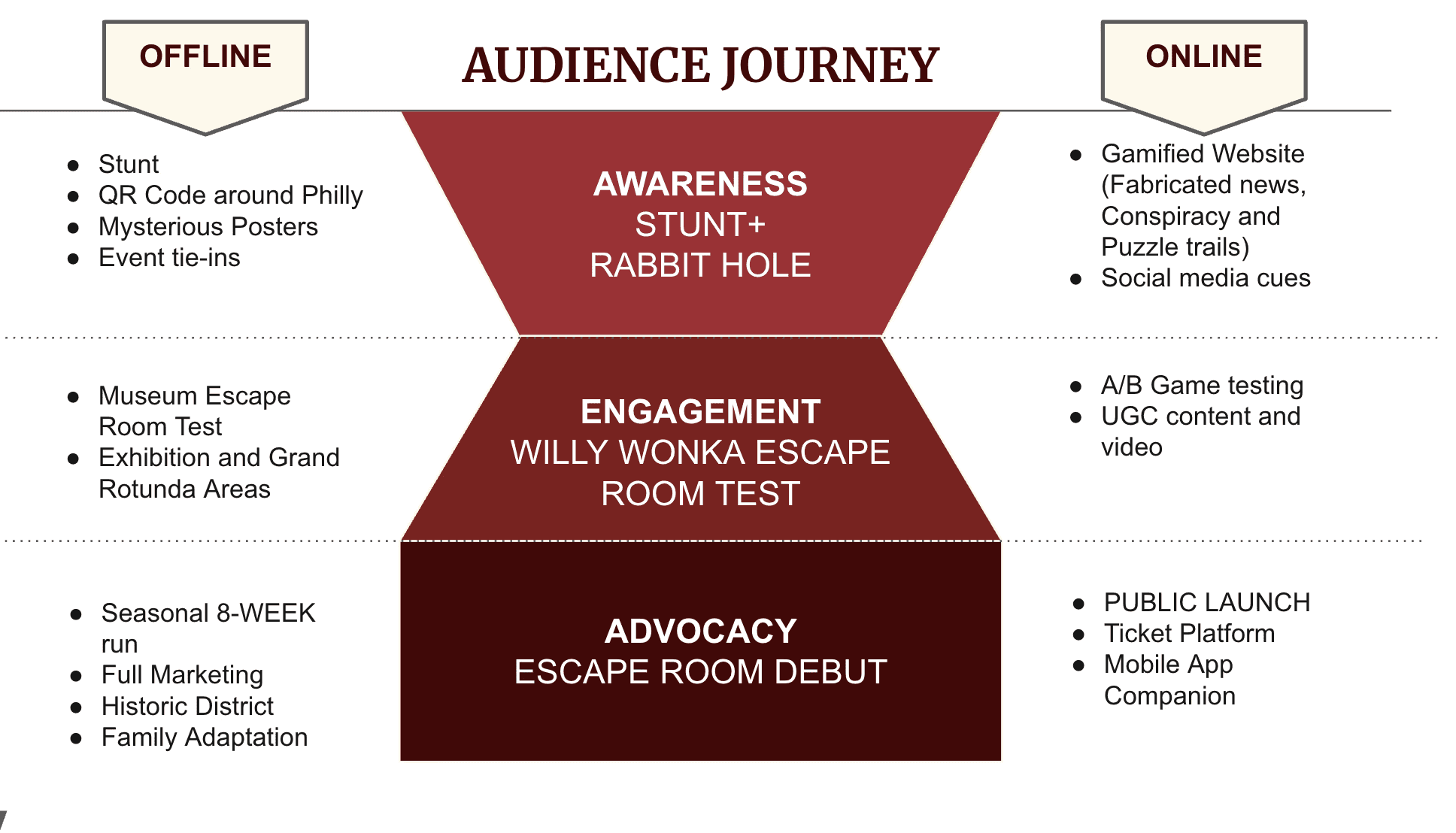
The 2025 Strategy Report for the Museum of the American Revolution examines how the museum can activate its mission in measurable ways by investigating audience behavior, digital infrastructure, and organizational governance to develop an integrated digital strategy across four pillars: Collection Access, Educational Programming, Visitor Experience, and Digital Fundraising.
This approach is informed by key perspectives from digital humanities and museum studies, drawing on theories such as constructivist museum engagement and the digital curation lifecycle model. By situating our recommendations within this theoretical context, the strategy report not only addresses practical goals but also critically engages with current academic discourse in the field.
Research grounded in Philadelphia audience analysis, PEST/SWOT frameworks, and a Virtual Scorecard translating strategic goals into actionable KPIs. Delivered as a presentation deck and a final written report to the museum's marketing team.
Methods
External & Internal Analysis: Conducted PEST and SWOT analyses to map the museum's digital landscape, competitive environment, and organizational vulnerabilities;
Stakeholder & Governance Mapping: Applied RASCI and Influence-Power Matrix frameworks to define roles and responsibilities across the implementation plan;
Audience Research: Analyzed target audience wants, needs, and frustrations, focused on local Philadelphia demographics, identifying authenticity and community co-creation as primary engagement drivers;
Performance Framework Design: Developed a Virtual Scorecard, translating four core goals: Excellence, Education, Engagement, and Collection, into measurable KPIs;
Report & Presentation Design: Designed the full final report and both the Analysis and Strategy Deck presentations, including implementation framework, solution framework, and risk mitigation plan.
tableau dashboard showing the designer distribution. may 2024. Still Image. Source from author's tableau work.
Rationale 1#
Research
This project allowed me to develop a more systematic approach to investigating a museum's information environment: moving across audience analysis, competitive landscape, and internal governance simultaneously rather than sequentially. I improved my ability to collect, analyze, and synthesize data using various analytics frameworks and translated findings into measurable KPIs aligned with the institutional goals. The Philadelphia audience analysis grounded the strategic recommendations in specific community behaviors. Working across both the research and implementation phases gave me a clearer understanding of how evidence-based strategy moves from insight to institutional action.
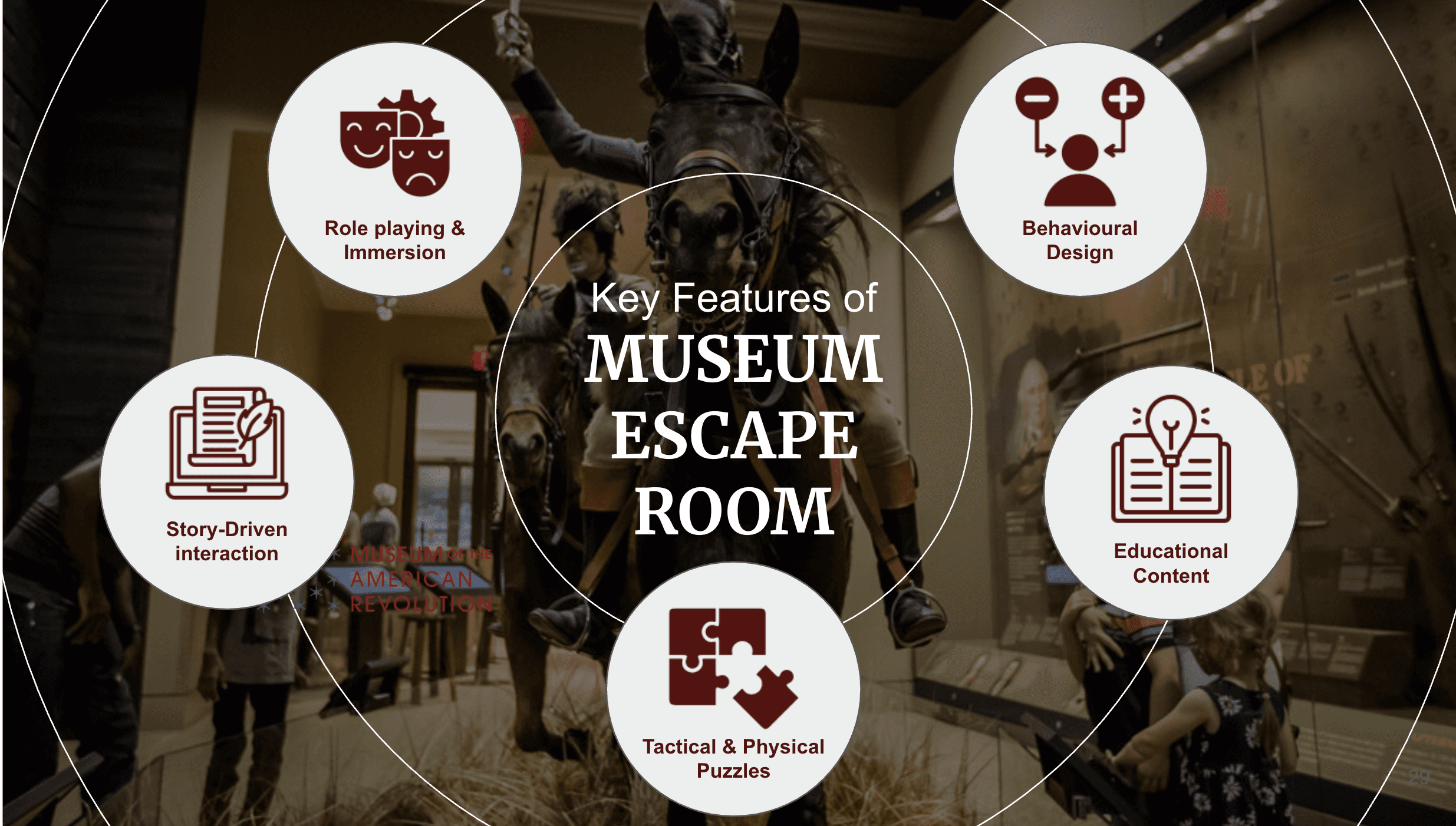
IMAGE: Kiantoro, Kelsey. TaDiRah Diagram of ArcGIS Implementation for NYBG. December 2024. Still Image. from 20141212-MDC Presentation.
Rationale 2#
Professionalism
I worked at the intersection of technical strategy and communication: producing frameworks realistic enough to guide institutional decision-making while designing clear deliverables for a museum marketing team to act on. Preparing both presentation decks and the final report meant translating complex strategic analysis into a consistent, accessible visual and written language across. The RASCI framework made me think about accountability structures: who owns a decision, who supports it, and who needs to be consulted is itself a form of institutional ethics. Working with Veneranda and Sara reinforced that strong collaboration means identifying where your skills serve the team most.
For more in-depth research, methodology, please learn more by clicking the button below
LEARN MORE